
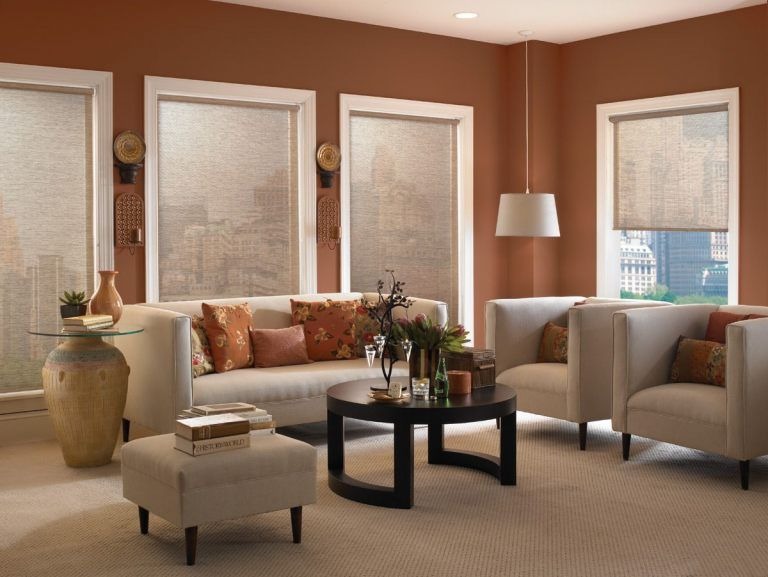
If you are wondering how to choose roller shades, start with the light and privacy each space needs. Light-filtering fabric softens natural light; solar shades help manage strong sunlight while preserving an outside view; room-darkening fabric blocks light through the material. Then compare opacity, openness, fit and controls.
Roller shades are fabric window treatments that roll onto a tube; some suppliers call the style a roller blind. For your Johnson County home, consider what each window faces and when you use the space. A fabric that suits the living area may not give you enough privacy at night in a bedroom.
This room-by-room buying guide helps homeowners in Overland Park and Lenexa compare fabrics and controls in the light of their own homes.

How to choose roller shades for each room
Before comparing fabrics, decide what each window needs. To choose roller shades for a room, start with its light and privacy needs.
| Room | Main need | Starting point |
|---|---|---|
| Living room | Natural light and less harsh sun | Light-filtering or solar fabric |
| Bedroom | Darkness and privacy | Blackout fabric and a careful fit |
| Kitchen or dining area | Practical daily use | Fabric suited to the location and cleaning needs |
| Home office | A screen that is easier to see | Solar fabric tested from your desk |
Comparing roller shades with other window coverings
Roller shades use one piece of fabric, while blinds use slats that tilt. The term roller blind may refer to a similar fabric design, so check the product details. Other types of window coverings include Roman shades, cellular shades, wood blinds and vertical blinds. Each type works in a different way. Compare them if you want to change the light, view, privacy or style. The best window treatment is the one that suits the window and how you use the space.
Shades for living rooms
A living space often needs balance. You may want daylight and an open feeling, but not bright sun across the television, furniture or floor.
Light-filtering fabric softens brightness without making the space feel closed. Screen fabric may suit windows that get strong sun when you still want to keep some view outdoors.
Window direction matters. West-facing windows may receive strong afternoon sun. South-facing windows can get direct sun for much of the day. Trees and nearby buildings also change the light. Compare samples when your room is brightest.
Choosing bedroom shades
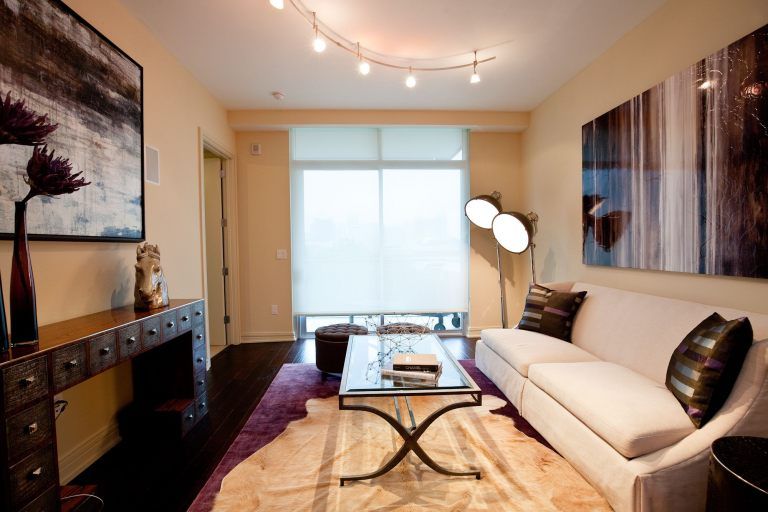
In a bedroom, start with the level of darkness you want. Is early-morning sunlight the main concern? Does the window face a street or a neighbor?
Opaque, room-darkening material blocks light through the fabric and can offer strong privacy. It can suit bedrooms, nurseries and people who sleep during the day.
Even opaque fabric may not make a space completely dark. Light can enter around the sides, top or bottom of a shade. Ask how the fit and mounting position will affect these light gaps before you order.
Shades for kitchens and dining areas
In a kitchen, choose a shade that works with your daily routine.
Check how close it is to a sink or cooking area. Ask which materials suit the location and how to clean them. Consider how often you will adjust it and whether you can reach the control.
A roller shade takes up little visual space when raised. At a dining window, light-filtering material can soften the sun while keeping the space welcoming. Follow the care guidance for the selected fabric.
Screen shades for home offices
Glare is harsh brightness that makes a screen difficult to see. In a home office, solar roller shades can filter sunlight while keeping some outside view.
For a solar shade, openness describes the open area in a fabric weave, shown as a percentage. Inside Solutions lists 1%, 3%, 5% and 10% options on its roller shade page. Compare samples from your desk to see how much natural light and view they allow.
Inside Solutions also describes its solar fabrics as helping block UV rays and reduce heat and glare while preserving a view. Ask which material and openness level fits your window instead of relying on a small online image.
Do not choose the fabric from a small sample alone. Hold it near the window. Look through it from your normal working position. Then check it again during the brightest part of the day. Small differences in the weave can change the result more than expected.
Types of roller shades: light-filtering, solar and room-darkening
These terms sound similar, but they solve different problems.
Light-filtering roller shades
Light-filtering roller shades soften daylight. Privacy varies by fabric, especially when lights are on indoors. Check the sample at your window before choosing it for a room that needs privacy after dark.
Solar roller shades
Solar screen fabrics help control sunlight while allowing some view outdoors. Ask whether the selected material is designed to reduce UV rays. The weave and color affect the result. A lower openness percentage usually reduces the amount of light passing through the fabric. It does not guarantee privacy.
Blackout roller shades
Blackout fabric is opaque, which means you cannot see through it. It blocks light through the material, but light may still enter around the edges. It can suit bedrooms and media spaces where darkness and privacy matter.
Choose the material for the light and privacy you need when you use the room.
Privacy changes after sunset
A solar fabric may provide useful daytime privacy when it is brighter outside than inside. At night, the situation reverses. Interior lights can make a space more visible from outdoors.
For street-facing windows, bathrooms and bedrooms, check the material in daylight and again after dark. If nighttime privacy is essential, choose an opaque option or add a full curtain panel that closes across the window. Decorative side panels add style but do not cover the full opening.
Check the fit and mounting position
To decide how to choose roller shades, check the window width, frame depth and mounting position. These details affect light gaps and how the shade moves. An inside mount fits within the frame; an outside mount sits above or around it. Ask which option fits your window depth, handles and light-control needs.
Measure width and height at the points required by the product instructions, and note the frame depth, handles or cranks. Inside and outside mounts use different measurements, and suppliers may apply different allowances. For custom window treatments, confirm the measuring method before ordering, especially for large or hard-to-reach windows.
When to consider motorized shades
Motorized operation is useful when it solves a daily problem. In some cases, it may be possible to motorize an existing shade. Ask whether the selected product supports it.
Tall or hard-to-reach windows, furniture blocking access and groups of shades are good reasons to consider motorized shades. They can also make sense when several windows follow the same routine each morning and evening.
For an easy-to-reach window, cordless options may meet your needs. For homes with young children, the U.S. Consumer Product Safety Commission recommends cordless window coverings as the safest option. If you also have pets, ask how the controls can stay out of reach. For timed or smart-home controls, confirm which motorization system and power source work with the product. Read the CPSC’s guidance on window-covering cord safety.
Compare fabric in the actual room
Two fabrics can look almost identical in a sample book and behave very differently at the window.
Weave, openness, backing and color affect light, privacy and the way daylight enters a space. Walls, flooring and furniture also change how a shade color feels.
There is no single best color for every home. Bring a sample to the window, view it from different angles and check it with interior lights on. This helps you compare color and privacy before choosing.
You do not need the same fabric in every room. Similar colors or hardware can connect light-filtering material in a living area with a darker bedroom shade.
A quick checklist before you choose
- What is the main problem at this window?
- When is the sunlight strongest?
- How much privacy is needed after dark?
- Is preserving the outside view important?
- How often will the shade be adjusted?
- Is the window easy to reach?
- Will an inside or outside mount give the better result?
- Have you compared the fabric in the actual room?
Common questions about roller shades
Are solar roller shades private at night?
Solar fabrics can allow people outside to see into a lit room. If privacy after dark matters, compare an opaque fabric or add curtains that close across the window.
Do blackout roller shades block all light?
Blackout material blocks light through the fabric, but light can still enter around the edges. Ask how the mounting position and fit can reduce these gaps.
Should every space use the same roller shade fabric?
No. Light-filtering fabric may suit a living area while an opaque option may suit a bedroom. Similar colors and hardware can help the home feel connected.
What affects roller shade cost?
The price per window can vary with its size, selected material, control options, manufacturer and installation. Inside Solutions’ price comparison page shows examples for four specific windows; the listed examples exclude installation, sales tax and upgrades, and are not a quote for every home. Compare like-for-like options before deciding.
How to choose roller shades in Johnson County
Inside Solutions, LLC helps homeowners compare custom roller shades in Johnson County, including Overland Park and Lenexa. Review the company’s roller shade collection, compare blackout and light-filtering window treatments, and explore motorized shades when easier daily operation would help. Homeowners elsewhere in Johnson County can use the form to confirm service for their address.
Schedule a free in-home consultation to compare fabrics, light control and fit in your home.
 Made-To-Measure Blackout Shades: Why Choose Cool Colors