
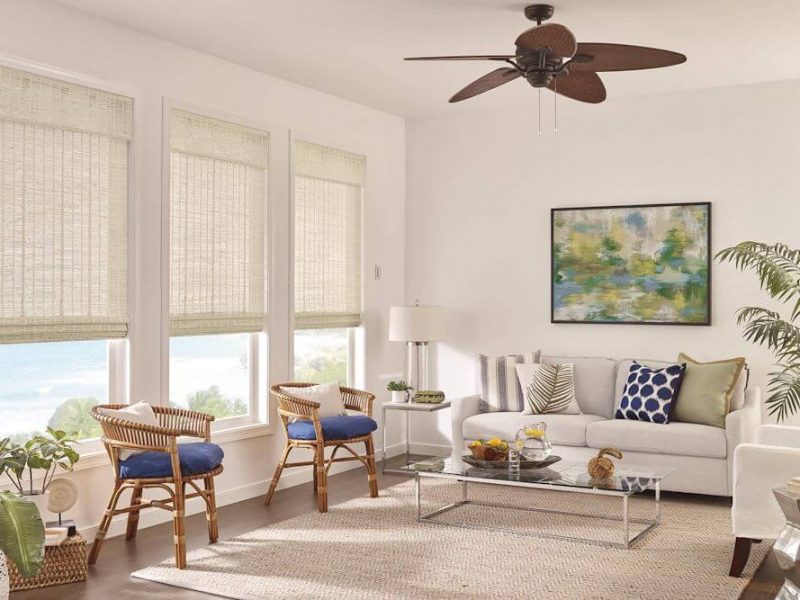
Some products are designed to disappear. In Kansas City homes, natural woven shades can do the opposite: their texture becomes part of the room, adding warmth without the weight of heavy fabric or the hard lines of a conventional blind.
That visual appeal is usually what catches a homeowner’s attention first. The practical questions come next. How will the material filter light? Should it be lined? Can it be cordless or motorized? And will the finished color look the same in the room as it did on a screen?
This matters because natural window coverings are not one uniform product. Material, weave, liner, edge details, mount and operating method all change the result.
Natural Woven Shades: Custom Choices for Kansas City Homes
These custom window coverings can use bamboo, grasses, reeds, jute, rattan or wood elements, depending on the collection. Each weave has its own density, color movement and surface texture.
That variation is part of the character. A tight, even weave may feel calm and tailored. A more open or irregular pattern can look relaxed and organic. Natural materials can also show small shifts in tone and texture, so the goal is not factory-flat uniformity. It is a coordinated finish that suits the room.
Light Control for a Natural Woven Shade
An open weave allows more daylight to pass through and creates a lighter visual effect. A denser weave softens more light and may provide better daytime screening. The exact performance depends on the selected material, the room’s orientation and what is happening outside.
This is where sample viewing becomes useful. A weave that looks dark on a small card may become more transparent when held in front of a bright opening. The opposite can happen in a north-facing room or a space screened by trees. Looking at samples in the home gives a far more realistic impression than relying on a product thumbnail.
Bedroom Privacy: Liners, Light Filtering and Room Darkening
Homeowners often treat daytime screening, light filtering and blackout as if they mean the same thing. They do not. The woven material can soften daylight beautifully and still reveal silhouettes at night when the room is lit from inside.
A liner can change that performance. Light-filtering liners generally add coverage while allowing some softened daylight. Room-darkening liners reduce more light and can be useful in sleeping rooms, media rooms or other spaces where stronger control is preferred. Product options vary, so check the final combination against the selected fabric rather than assume.
The right specification may differ from room to room. A living area may benefit from texture and gentle light, while a street-facing bedroom may need stronger coverage after dark. Using the same visible weave with different liners can coordinate interior design while meeting each room’s needs.
Color and Texture Need to Work with the Whole Room
Natural woven material brings a visual layer, but that does not mean every room needs a golden bamboo tone. It can enhance a simple palette without dominating the room. Collections can range from pale neutral weaves to deeper browns, grays and mixed fibers. The best choice usually connects with something already in the room: flooring, cabinetry, furniture, stone, paint or soft furnishings.
Contrast can work too. A deeper tone may frame a light wall and make the window more deliberate. A pale weave can soften a room with dark furniture. The important part is seeing enough of the material in the actual room to judge undertone and transparency.
Natural woven material can also be layered with curtains or fabric panels. It provides structure and texture at the opening, while fabric adds softness and can broaden the color story. Planning the combination together helps avoid crowded hardware or proportions that feel accidental.
If you are comparing styles, ask whether a natural weave, roller style, blind or shutter best fits the room’s light and after-dark visibility needs. These products are not interchangeable; the choice depends on the material, desired look and how the room is used.
Inside Mount or Outside Mount?
An inside mount gives a clean, recessed look when the frame has sufficient depth and is in suitable condition. An outside mount can work better on shallow or uneven frames and may provide broader coverage. This can make an opening look larger.
The decision should be made before final dimensions are confirmed. Trim, handles, cranks, wall space and nearby furnishings all affect placement. A professional measurement also checks whether a group of windows can be aligned consistently, which is often more noticeable than the fit of any single product. For more detail on measuring and fitting, see our woven wood shade installation guide.
Cordless Options for Homes with Children
Operating style is not only a design decision. The U.S. Consumer Product Safety Commission recommends cordless window coverings as the safest option in homes where young children are present. Ask which cordless systems are available for the chosen size, material and liner combination.
Motorized operation may be another option for selected products. It can be especially useful on tall windows, behind furniture or across several products adjusted together. Compatibility, control method and power access should be confirmed for the exact product rather than treated as universal features.
Natural Texture Still Needs a Tailored Fit
The relaxed look of a woven material does not mean fitting can be casual. Made-to-measure coverings need accurate dimensions, level bracket placement and a final operating test. A liner also needs to hang cleanly so the visible weave and backing work together.
Careful fitting makes daily operation feel simple. It raises and lowers smoothly, sits at a deliberate height and aligns with nearby windows. The hardware fades into the background, which lets the material do the visual work.
Natural Woven Shades vs. Plantation Shutters, Blinds, Curtains and Drapery
Each window covering makes a different contribution to a room. Compare the construction, appearance and everyday function before narrowing the options:
- Natural woven material: brings texture to the window and can be paired with different liners.
- Plantation shutters: add a framed, architectural look with adjustable louvers.
- Wood blinds: use horizontal slats to adjust light and the outside view.
- Roller styles: provide a smooth fabric surface, with light control depending on the material.
- Drapery: softens the window and can layer with another style.
These custom products are not interchangeable. Match each product to the room’s desired light control, after-dark coverage and decor, then review samples in the room.
How to Narrow the Choices
Start with the room rather than the sample book. Before choosing, note:
- When screening matters most, including after dark.
- How much daylight and outside view you want to keep.
- Whether a liner, mount style or operating method needs special attention.
Next, compare suitable weaves beside the opening. Review liner options, mount style and controls at the same time. This avoids choosing a beautiful material first and discovering later that the preferred operating method or level of after-dark coverage is not available in that exact configuration.
Client Reviews and Ratings for Kansas City Window Treatment Installers
When comparing a local custom treatment provider in Kansas City or Overland Park, look beyond star ratings. Recent client reviews are most useful when they mention the design consultation, measuring, communication during ordering, the fitting team’s conduct and how the window covering works once fitted. Review photos can show a finished look, but they may not reveal light control, nighttime visibility, fabric details or window direction. Ask what contributes to the estimate, including the woven material, liner, operating option, measuring and fitting. A design conversation can clarify which choices suit the room.
Free In-Home Designer Consultation and Installation in Overland Park
Inside Solutions has served Johnson County and the Greater Kansas City region in Kansas and Missouri since 2001. Its process includes a free in-home design consultation, access to custom materials, measuring and fitting. That makes it possible to review natural material samples beside the colors and light they will actually meet.
If this natural material feels right for your home, the next step does not need to be complicated. Gather a few reference photos, note which rooms need the most after-dark coverage or light control and bring those priorities to the consultation.
For a closer look at available materials, explore Inside Solutions’ natural woven collection.
Schedule a free in-home consultation with Inside Solutions or call (913) 890-3737 to explore natural woven coverings for your Kansas City-area home.
 Woven Wood Shades in Kansas City: Custom Window Treatment Installation Guide
