

Woven wood shades in Kansas City can change a room without making it feel over-designed. They add texture, soften daylight and bring a natural note to spaces that otherwise feel flat. But the material is only half the story. The way the shade is measured, mounted and tested has a direct effect on how it looks and works every day. Careful installation also helps adjacent shades align and operate consistently.
That is why installation deserves attention before the order is placed. A beautiful shade can still feel wrong when it rubs against the frame, leaves unexpected gaps or sits unevenly. A little planning at the start prevents a lot of frustration later.
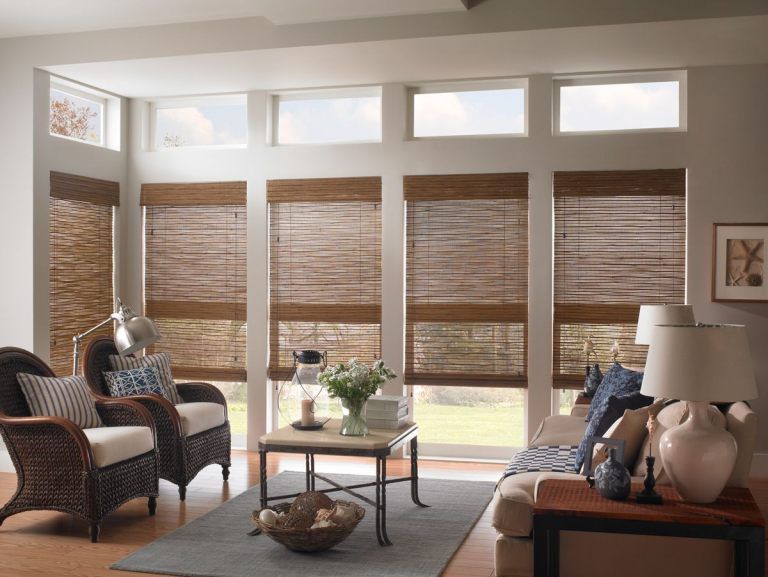
Measuring and Installing Woven Wood Shades in Kansas City
An inside mount places the shade within the window opening. It often creates a clean, built-in appearance and keeps surrounding trim visible. The window must have enough clear depth for the headrail and hardware, though. Cranks, handles, screens, uneven trim and a frame that is not square can all affect the decision.
An outside mount places the shade on the wall or trim beyond the opening. This can be useful when the frame is shallow or irregular. It may also provide more visual coverage and can make the window appear larger. The trade-off is that the finished dimensions and placement need to work with nearby walls, moulding and furnishings.
Neither option is automatically better. The right answer depends on the actual window, the selected product and the look the homeowner wants. Manufacturer specifications also vary, so a generic measurement formula should never replace the requirements for the shade being ordered.
Measuring Custom Window Treatments for a Precise Fit
Custom window treatments are made for a specific opening. Small measuring errors can therefore become visible every time the shade is raised or lowered. Width, height and depth all matter, but so do conditions that are easy to overlook.
Before final dimensions are confirmed, check the details that affect clearance, support and alignment:
- Frame depth, whether the opening is square and the trim condition.
- Secure, level bracket locations for the selected product.
- Handles, cranks or screens that may affect clearance.
- Alignment across grouped windows or a bay window.
This is one reason an in-home consultation is useful. Measurements can be checked in the same light and space where the finished treatment will live. Samples can also be viewed beside flooring, paint, furniture and existing soft treatments instead of under showroom lighting.
Bracket placement affects the whole finish
Once the mounting approach is confirmed, bracket position becomes the next critical step. Brackets need to be level, correctly spaced and attached to a suitable surface. If the support is uneven, the shade may hang crookedly or feel less smooth in use.
Wider treatments may require additional support according to the product instructions. The headrail also needs enough clearance to operate without rubbing against the frame or nearby hardware. These details are not dramatic, but they are exactly what separates a fitted result from one that always seems slightly off.
Test before calling the job complete
Installation should finish with a full operating check. The shade should raise and lower smoothly, hang evenly and stop where expected. Cordless or motorized controls should be tested several times. If the product uses batteries, a remote or another control method, access and pairing should be confirmed before tools and packaging leave the room.
The fabric or natural weave may also need a final visual check. Woven materials have texture and natural variation. That is part of their appeal, but adjacent shades should still be reviewed together so the overall result feels intentional.
Cordless and Motorized Window Treatments
For rooms used by young children, cordless options deserve particular attention. The U.S. Consumer Product Safety Commission says cordless window coverings are the safest option where young children are present. Product availability and operating methods vary, so the final selection should be confirmed during consultation.
Motorization can also make sense for tall windows, hard-to-reach locations or groups of shades that are adjusted frequently. It adds convenience, but it also adds planning. Power source, battery access, control placement and product compatibility should be settled before installation rather than improvised afterwards.
Compare Woven Wood Shades with Wood Blinds and Plantation Shutters
Woven shades add a visible natural texture and soften daylight. A wood blind uses adjustable slats, while plantation shutters have a more architectural frame and louvres. Each is a different custom window treatment, so compare the light control, privacy and space around your window before choosing. Seeing samples in your own decor can help you decide which style suits the room.
Common mistakes worth avoiding
The most expensive mistakes are often simple ones: ordering before confirming mount depth, overlooking a window crank, assuming several openings are identical or fixing brackets without checking level. Another common mistake is choosing only from a small online image. Woven materials respond to daylight and surrounding colours, so seeing samples in the room is far more useful.
Before choosing, compare the woven option with a wood blind or another custom window treatment you are considering. The weave, slat spacing and visible texture create different looks at the same window. Seeing samples at home can make the decor decision easier than judging from a small screen.
It also helps to decide early whether the shade will be used alone or layered with drapery or another soft treatment. Layering changes the available space and the visual proportions around the window.
Compare woven wood shades with other window treatments
When you are choosing a custom window treatment for a Kansas City home, compare woven wood shades with the other styles you are considering. A slatted wood blind, a fabric roller shade and a woven covering each create a different look; view the actual samples beside your trim, flooring and decor. Think about the window’s light, privacy and mount depth as well as texture. This comparison helps a designer recommend a suitable custom shade or blind, but the product specifications still determine bracket placement and installation. Bring those questions to a free in-home consultation before measurements are finalized.
Professional Window Shade Installation in Kansas City
Professional installation is not only about putting brackets on a wall. It connects product choice, measuring and the final fit. The installer can work from the specifications for the selected treatment, check alignment across multiple windows and make small adjustments while the full room is visible.
Inside Solutions has served the Johnson County and Greater Kansas City area since 2001. The company offers custom window treatments, free in-home design consultations and installation as part of the process. For a homeowner, that creates one clear route from samples and measurements to the finished room.
Ready to explore woven wood shades?
If you like the warmth of natural texture but want the result to feel tailored to your home, start with the windows themselves. Review the frame depth, the way you use the room and the amount of light and privacy you need. Then compare materials in the space before making a final decision.
For a closer look at available materials, explore Inside Solutions’ woven wood shades.
Schedule a free in-home design consultation with Inside Solutions or call (913) 890-3737 to discuss woven wood shades for your Kansas City-area home.
 Solar Shades vs Blackout Shades: Which Is Right for Your Johnson County Home?
